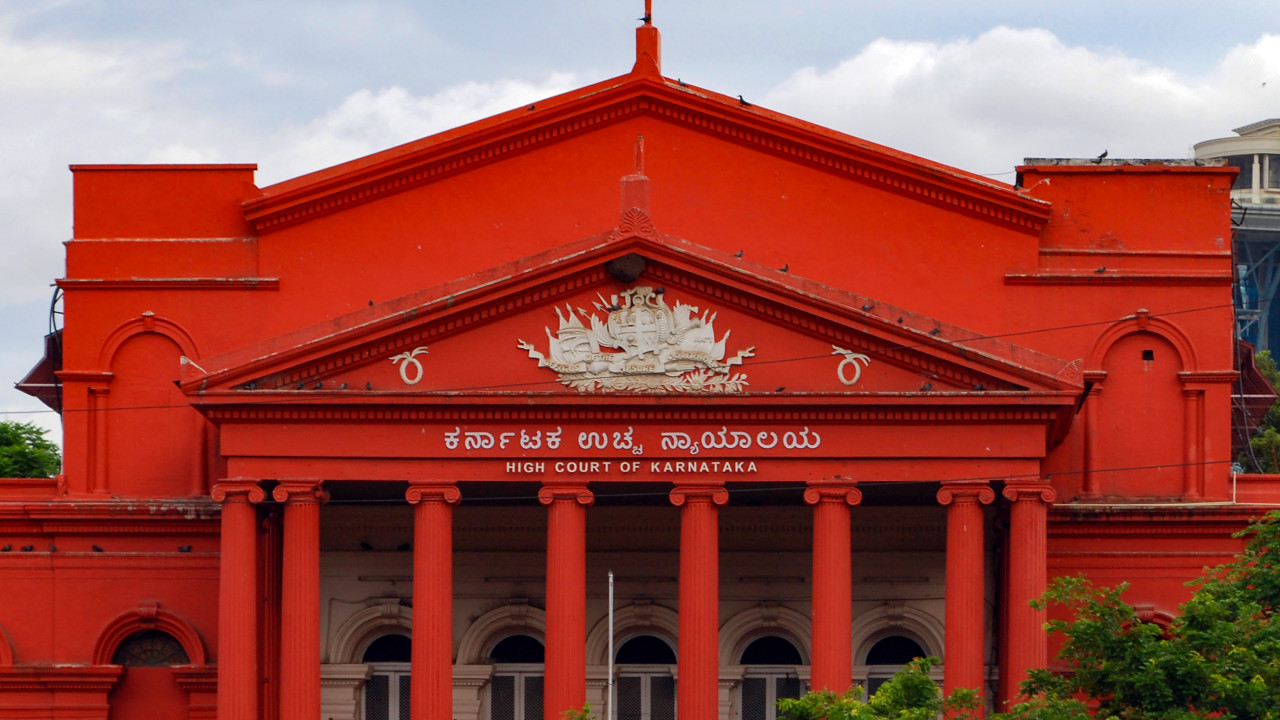
High court
Bombay High Court Directs State Government to Fill Vacant Posts in Tribal Department
Background: The Bombay High Court recently heard a public interest litigation (PIL) filed by an activist, highlighting the vacant posts in the Tribal Department of the state government. The PIL sought directions to the state government to fill the vacant posts and ensure effective implementation of tribal welfare schemes. Parties: The PIL was filed by an activist, while the respondents included the state government and the Tribal Department. Legal issues: The main issue before the court was whether the state government had failed in its duty to fill vacant posts in the Tribal Department, thereby affecting the implementation of tribal welfare schemes. Court observations: The court observed that the state government had not provided any justification for not filling the vacant posts and directed it to fill the posts within a stipulated timeframe. The court also noted that the vacant posts had resulted in inadequate implementation of tribal welfare schemes, causing hardship to tribal communities. Significance: The order is significant as it highlights the importance of effective implementation of tribal welfare schemes and the need for the state government to fill vacant posts in the Tribal Department. The court's decision is expected to have a positive impact on the lives of tribal communities in the state. The case has sparked a debate about the need for effective governance and the importance of ensuring that welfare schemes reach the intended beneficiaries. The state government has been directed to file a compliance report before the next hearing, which is scheduled to take place in the coming weeks. The court has also directed the state government to ensure that the vacant posts are filled through a transparent and fair process. The case is a testament to the importance of judicial oversight in ensuring that the rights of marginalized communities are protected. The Bombay High Court's order is a significant development in the ongoing efforts to improve the lives of tribal communities in India. As the case progresses, it is likely to have significant implications for the implementation of tribal welfare schemes in the state. The court's decision is being closely watched by tribal communities, activists, and educators across the country. The case highlights the need for effective governance and the importance of ensuring that welfare schemes are implemented in a transparent and fair manner.