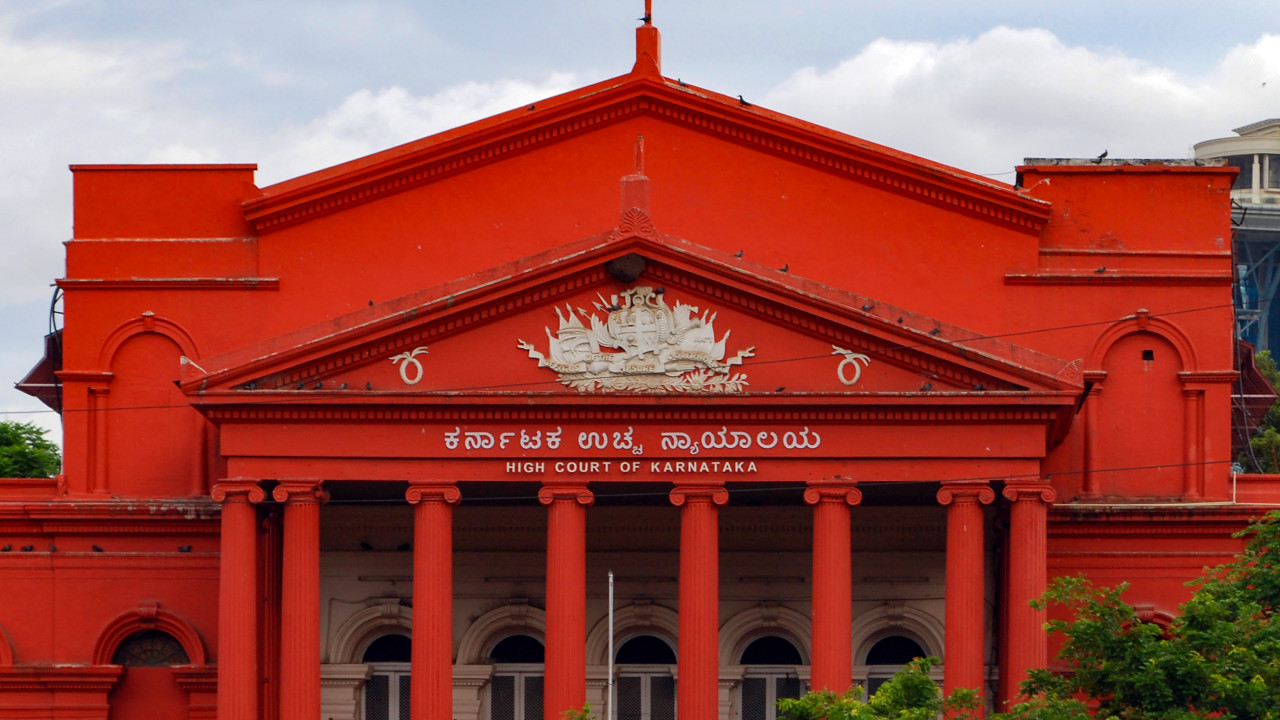
Supreme court
Supreme Court Rules that Right to Protest is a Fundamental Right
The Supreme Court of India has ruled that the right to protest is a fundamental right, guaranteed by the Indian Constitution. A three-judge bench, led by Chief Justice Uday Umesh Lalit, was hearing a petition filed by a group of activists, who challenged the restrictions imposed by the government on protests and demonstrations. The court observed that the right to protest is an essential part of the right to freedom of speech and expression, guaranteed by Article 19(1)(a) of the Constitution. The court noted that the right to protest is not absolute and may be restricted by the state in certain circumstances, such as national security or public order. However, the court emphasized that any restrictions on the right to protest must be reasonable and proportionate to the threat posed. The judgment is a significant milestone in the evolution of the right to protest in India and is expected to have far-reaching consequences for the government's plans to restrict protests and demonstrations. The court's emphasis on the need to protect the right to protest and promote democratic values is expected to influence the government's plans to introduce new laws and policies for the regulation of protests. The judgment is also likely to impact the ongoing debate about the right to protest and the limits of state power in India. The court's decision is a significant development in the ongoing struggle for democratic rights and freedoms in India and is likely to have significant implications for the country's politics and society.