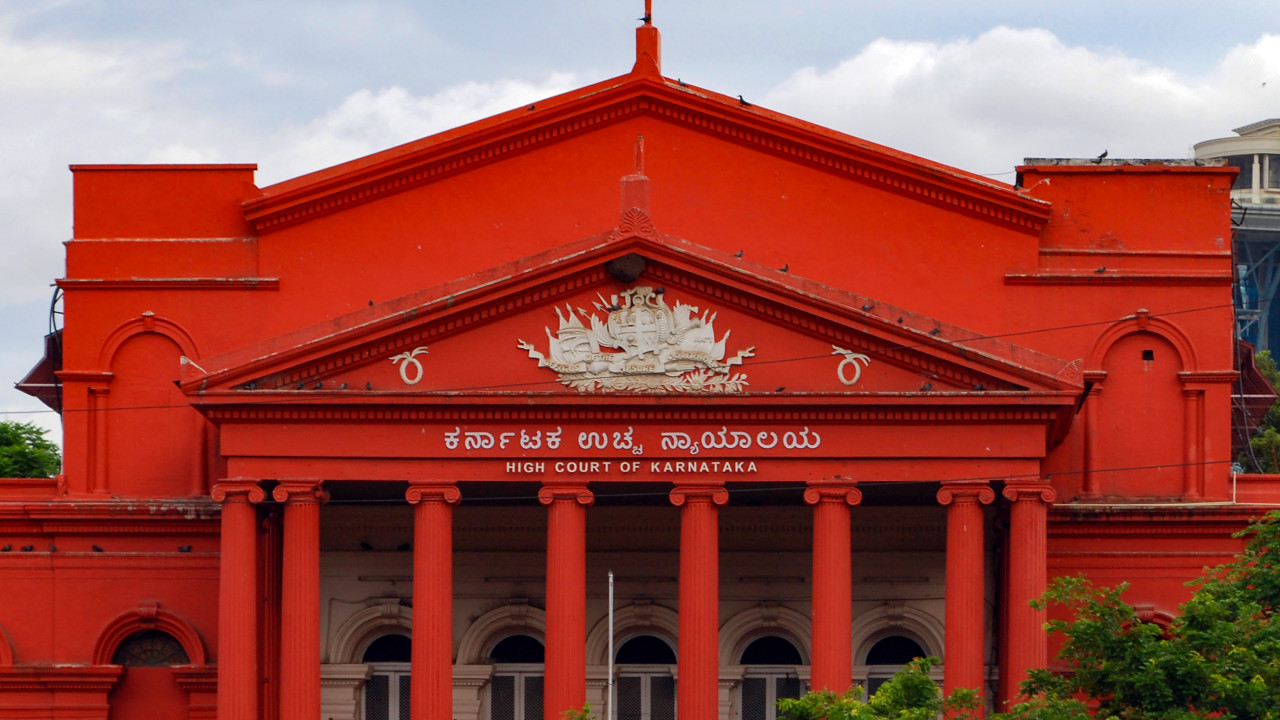
Supreme court
Supreme Court Clarifies the Scope of the Right to Freedom of Speech and Expression
The Supreme Court of India has clarified the scope of the right to freedom of speech and expression, emphasizing that this fundamental right is not absolute and may be subject to reasonable restrictions. Background: The case originated from a petition challenging the constitutionality of a state law that restricted the freedom of speech and expression. Parties: The petitioners argued that the law was overly broad and restrictive, violating their right to freedom of speech and expression. The respondents, including the state government, contended that the law was necessary to maintain public order and morality. Legal issues: The court examined the scope of the right to freedom of speech and expression, the concept of reasonable restrictions, and the need for a balance between individual rights and public interests. Court observations: The Supreme Court held that the right to freedom of speech and expression is a fundamental right that is essential for the functioning of a democratic society. The court observed that while this right is not absolute, any restrictions must be reasonable and justified in the interests of public order, morality, or other constitutional values. Significance: The judgment has significant implications for the protection of free speech in India, emphasizing the need for a balance between individual rights and public interests. The court's decision is expected to influence the development of laws and policies related to freedom of speech and expression in India.