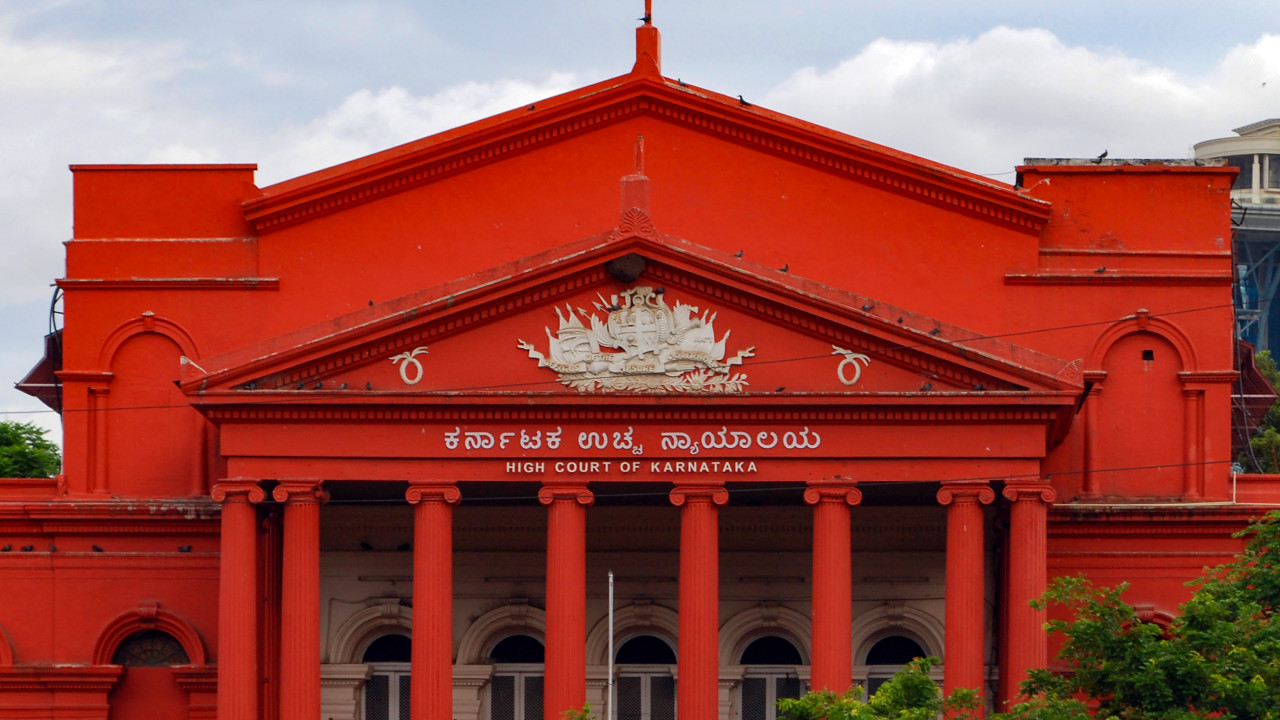
Supreme court
Supreme Court Rules on Maintainability of Writ Petitions
The Supreme Court of India has clarified the maintainability of writ petitions under Article 226 of the Constitution. A division bench of the court, comprising Justices Sanjay Kishan Kaul and Abhay S. Oka, observed that writ petitions are maintainable only in cases where there is a clear violation of a fundamental right or a statutory right. The court noted that writ petitions are not maintainable in cases where the dispute is purely contractual or commercial in nature. The judgment has significant implications for litigants who seek to invoke the jurisdiction of high courts under Article 226. The court's decision is expected to reduce the burden on high courts, which often face a large number of writ petitions. The Supreme Court's clarification on the maintainability of writ petitions is likely to have a positive impact on the efficiency of the judicial system. The court's observations on the scope of Article 226 are likely to be cited in future cases, and the judgment is expected to have a lasting impact on Indian jurisprudence. The Supreme Court's decision is a significant development in the evolution of the law on writ petitions in India. The judgment is a testament to the court's commitment to upholding the Constitution and protecting the rights of Indian citizens. The Supreme Court's clarification on the maintainability of writ petitions is expected to be welcomed by legal experts and scholars. The judgment is a significant step forward in the development of the law on writ petitions, and is likely to have a positive impact on the lives of Indian citizens. The Supreme Court's decision is expected to be studied closely by lawyers and judges, and the judgment is likely to be cited in future cases. The court's observations on the maintainability of writ petitions are likely to have far-reaching consequences for the Indian judicial system. The Supreme Court's affirmation of the principles of writ jurisdiction is a significant milestone in the protection of individual rights in India.