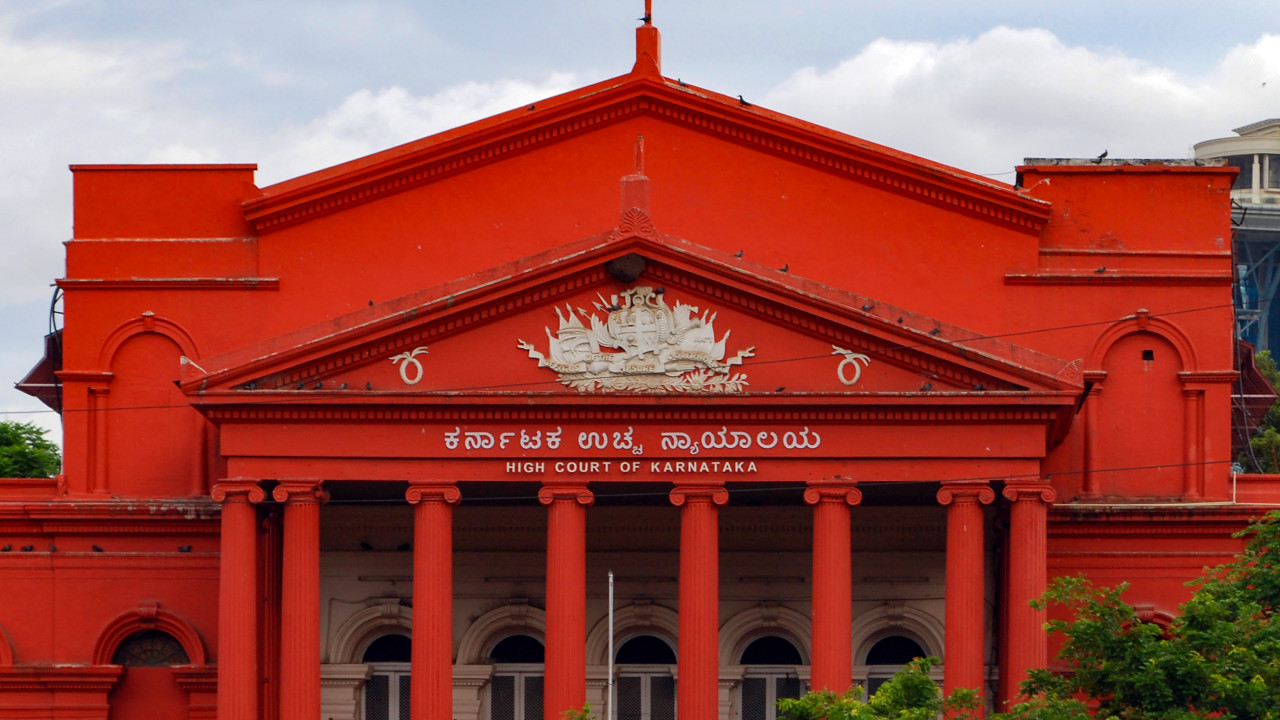
High court
Karnataka High Court Dismisses Plea Challenging Reservation for SC/STs in Promotions
The Karnataka High Court has dismissed a plea challenging the reservation for Scheduled Castes and Scheduled Tribes in promotions. The court observed that the reservation was constitutional and did not violate the principles of equality. The petitioner had argued that the reservation was not justified and was discriminatory. However, the court rejected the argument, saying that the reservation was based on the recommendations of a committee and was intended to promote social and economic equality. The court also observed that the reservation did not exceed the 50% limit set by the Supreme Court. The reservation for SC/STs in promotions was introduced by the Karnataka government in 2018, and provides for reservation in promotions for SC/STs in government jobs. The reservation is currently being implemented in government jobs, and has been the subject of controversy and litigation. The High Court's order is significant as it upholds the constitutional validity of the reservation. The court's decision will have implications for the Karnataka government, as well as the beneficiaries of the reservation. The case highlights the ongoing debate over reservation in India, with some arguing that it is necessary to promote social and economic equality, while others argue that it is discriminatory and unfair. The High Court's order is likely to be appealed in the Supreme Court, and the final outcome will have significant implications for the reservation policy in India. The case also raises questions about the role of the judiciary in determining the validity of reservation policies, and the extent to which the courts can interfere with the government's decision-making process. The Karnataka High Court's order is a significant development in the ongoing debate over reservation in India, and will be closely watched by all stakeholders. The court's decision will have far-reaching implications for the social and economic landscape of India, and will determine the extent to which reservation can be used as a tool to promote equality and social justice. The case is a significant example of the ongoing efforts by the courts to balance the competing interests of different communities and ensure that the principles of equality and justice are upheld.