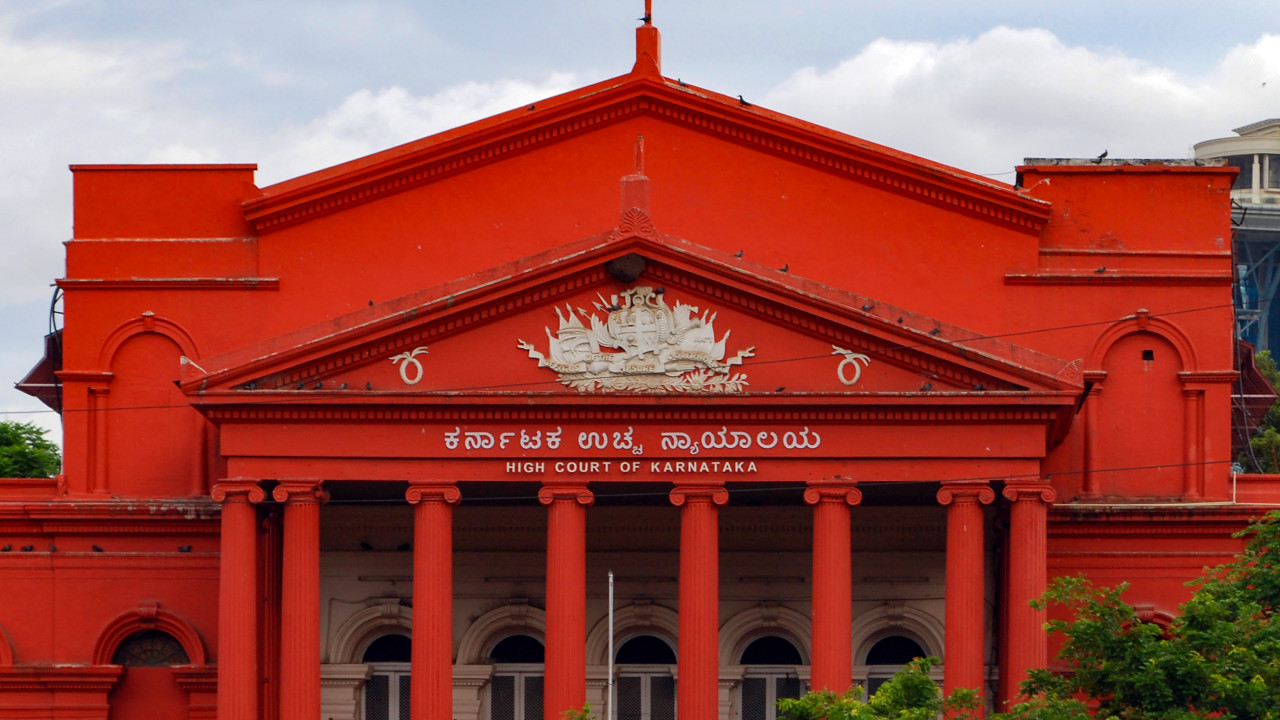
Supreme court
Supreme Court Rules on the Legality of the Maharashtra Dance Bars Law
The Supreme Court of India has ruled on the legality of the Maharashtra Dance Bars Law. Background: The court was hearing a petition filed by a group of dance bar owners, challenging the constitutionality of the Law. Parties: The petitioners argued that the Law is discriminatory and violates the principles of equality and freedom of expression enshrined in the Constitution. Legal issues: The court examined whether the Law is in violation of the Constitution and whether it can be struck down. Court observations: The Supreme Court observed that the Law is a complex issue that requires careful consideration and that the court will examine the constitutionality of the Law in detail. Significance: The Supreme Court's decision on the Maharashtra Dance Bars Law is significant, as it will have implications for the rights of dance bar owners and the principles of equality and freedom of expression in India. The court's judgment will contribute to the development of a more nuanced understanding of the relationship between morality, public order, and the Constitution. The Supreme Court's ruling will also have implications for the government's policies on morality and public order. In conclusion, the Supreme Court's decision on the Maharashtra Dance Bars Law is a landmark judgment that will have far-reaching consequences for the rights of dance bar owners and the principles of equality and freedom of expression in India. The court's judgment will provide clarity on the constitutionality of the Law and will contribute to the development of a more nuanced understanding of the relationship between morality, public order, and the Constitution. The Supreme Court's ruling will also have implications for the government's policies on morality and public order, and will shape the future of dance bars and entertainment in India.