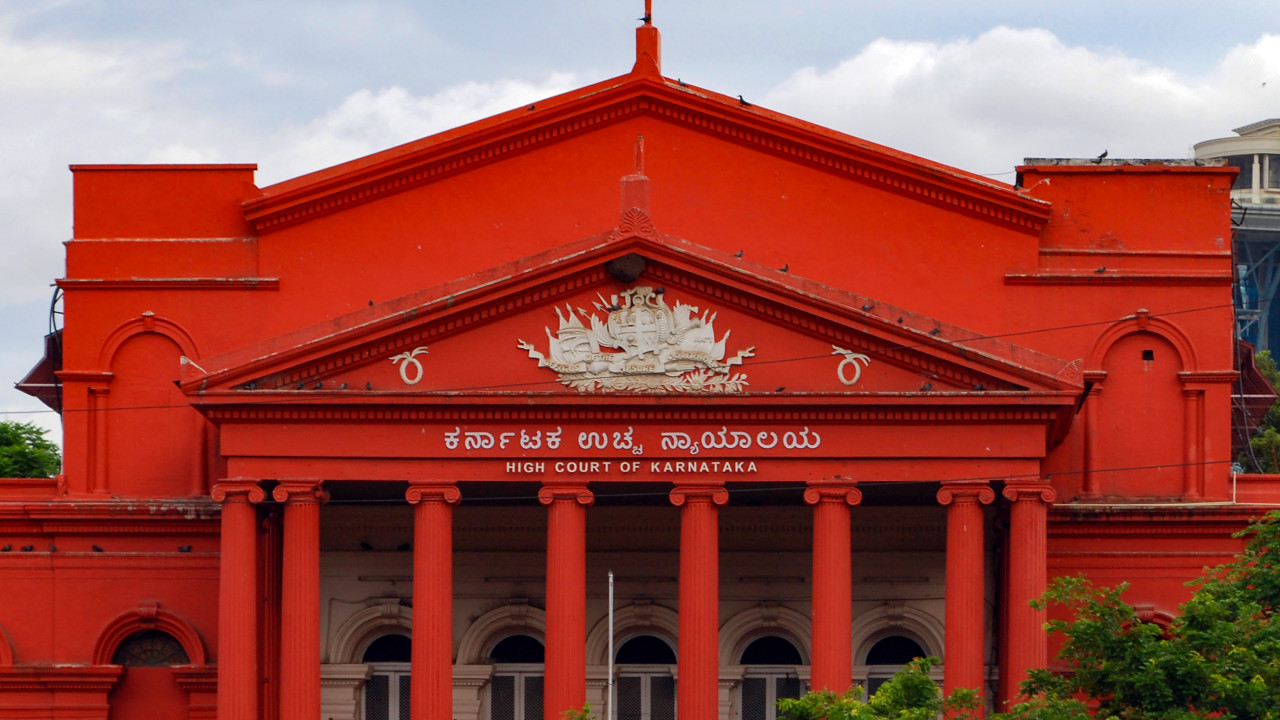
High court
Rajasthan High Court Directs State Government to Implement Scheme for Welfare of Destitute Women
The Rajasthan High Court has directed the state government to implement a scheme for the welfare of destitute women in the state. The court was hearing a petition filed by a non-governmental organization (NGO) that had sought directions to the state government to implement a scheme for the welfare of destitute women. The petitioner had argued that the state government had a responsibility to provide support and protection to destitute women, who were vulnerable to exploitation and abuse. The court observed that the state government had a duty to ensure that destitute women were provided with basic necessities such as food, shelter, and clothing. The court directed the state government to implement a scheme that would provide support and protection to destitute women, including provision of shelter, food, and clothing. The court also directed the state government to ensure that the scheme was implemented in a transparent and accountable manner. The welfare of destitute women has been a major concern in Rajasthan, with many women living in poverty and vulnerability. The Rajasthan High Court's decision is likely to bring relief to the destitute women in the state. The case highlights the importance of judicial review in ensuring that the government implements schemes for the welfare of vulnerable sections of society. The Rajasthan High Court's decision is a significant development in the ongoing efforts to protect the rights of destitute women in the state. The case is likely to have implications for other cases related to women's welfare and social justice. The court's decision is a testament to the independence of the judiciary and its ability to take decisions that are in the best interest of the public. The case is also likely to have implications for other cases related to poverty and vulnerability. The court's decision is a step in the right direction and is likely to have a positive impact on the development of the state. The Rajasthan High Court's decision is likely to be closely watched by all stakeholders involved in the case, including the state government, NGOs, and citizens. The case highlights the need for a proactive approach by the government to protect the rights of destitute women and to ensure that they are provided with basic necessities such as food, shelter, and clothing.