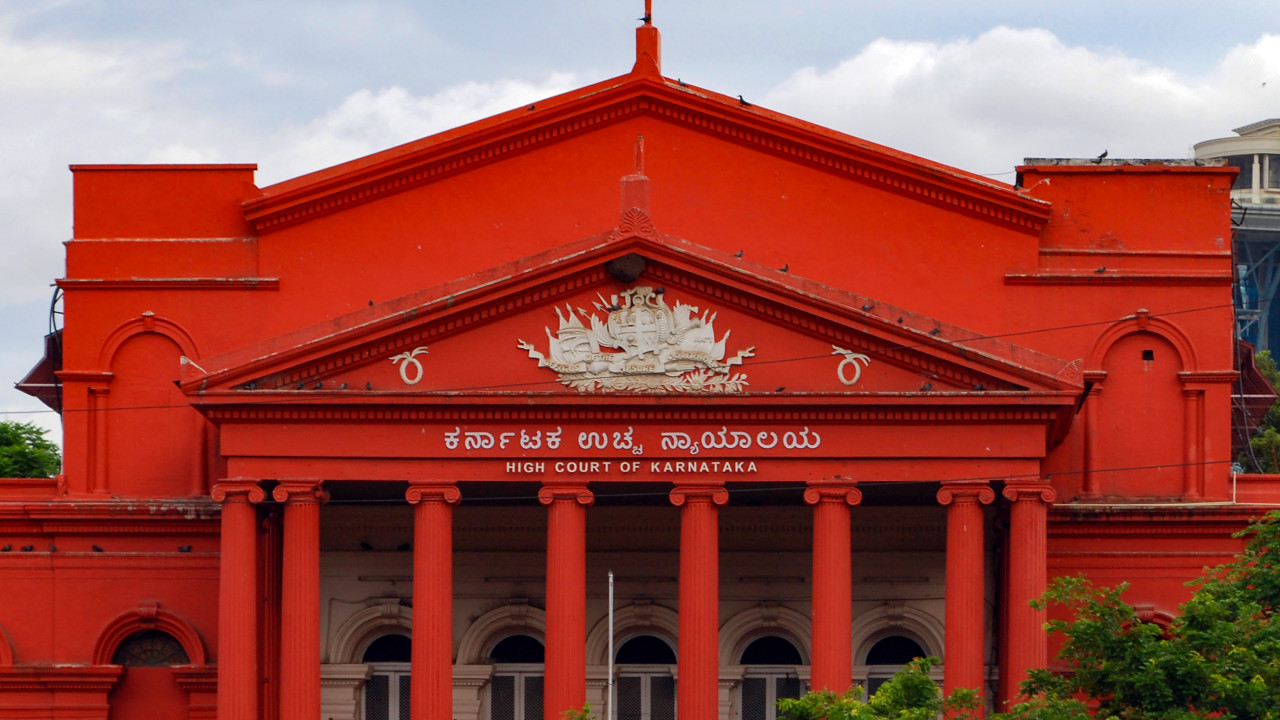
High court
Delhi High Court Dismisses Plea Against Central Vista Project
The Delhi High Court has dismissed a plea challenging the change in land use of a plot where a new parliament building is being constructed as part of the Central Vista project. The court observed that the petitioners had not been able to show any concrete evidence to suggest that the change in land use was done in an arbitrary manner. The petitioners had argued that the change in land use was done without following the due process and that it would cause harm to the environment. However, the court noted that the authorities had followed the necessary procedures and that the project was of national importance. The court also observed that the petitioners had not been able to show any direct impact on their rights due to the change in land use. The Central Vista project has been a subject of controversy with many arguing that it is a waste of public money and that it would harm the environment. The project involves the construction of a new parliament building, a new residence for the Vice President, and the redevelopment of the Central Vista area. The court's decision is likely to pave the way for the completion of the project. The petitioners have stated that they will appeal against the decision in the Supreme Court. The case has sparked a debate about the role of the judiciary in deciding matters related to public policy and the balance between development and environmental concerns. The court's decision is also likely to have implications for other infrastructure projects in the city. The Delhi High Court's decision is a significant development in the ongoing controversy surrounding the Central Vista project. The project has been a subject of debate among politicians, activists, and citizens. The court's decision is likely to be closely watched by all stakeholders involved in the project. The case highlights the importance of judicial review in ensuring that the government follows the due process and that the rights of citizens are protected. The Delhi High Court's decision is a testament to the independence of the judiciary and its ability to take decisions that are in the best interest of the public. The case is also likely to have implications for other cases related to infrastructure development and environmental concerns. The court's decision is a significant development in the ongoing debate about the balance between development and environmental concerns. The case highlights the need for a balanced approach that takes into account the needs of the present and future generations. The Delhi High Court's decision is a step in the right direction and is likely to have a positive impact on the development of the city.