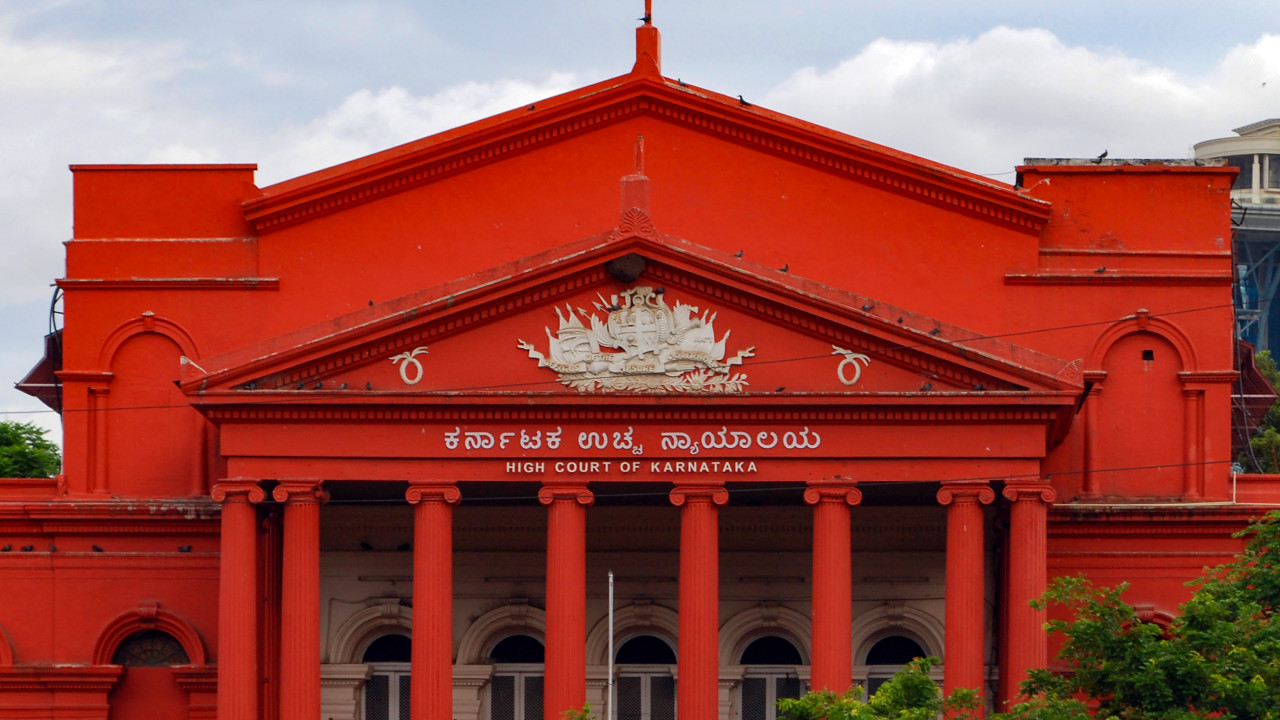
Supreme court
Supreme Court Orders Eviction of Tribals from Forest Lands
The Supreme Court of India has ordered the eviction of tribals from forest lands, in a move that has sparked widespread criticism and protest. A bench, comprising Justices Arun Mishra, Navin Sinha, and Indira Banerjee, observed that the Forest Rights Act, which aims to recognize the rights of forest-dwelling communities, has been misused by many individuals. The court noted that the eviction is necessary to protect the forests and wildlife, and to prevent the exploitation of forest resources. The judgment has significant implications for the rights of tribals and forest-dwelling communities, who have long been fighting for recognition and protection of their rights. The court's decision is expected to affect thousands of families, who will be forced to leave their homes and livelihoods. The judgment has been criticized by tribal groups and civil society organizations, who argue that it is a violation of the rights of tribals and forest-dwelling communities. However, the government has welcomed the judgment, arguing that it is necessary to protect the environment and wildlife. The Supreme Court's decision is a significant development in the ongoing debate over the rights of tribals and forest-dwelling communities. The court's observation that the Forest Rights Act has been misused has sparked debate among legal experts, with some arguing that it may lead to a re-examination of the government's policies on forest conservation and tribal rights. The judgment is also expected to have implications for the upcoming legislation on forest conservation, which aims to provide greater protection to forests and wildlife. The Supreme Court's decision is likely to influence the final shape of the legislation and ensure that it strikes a balance between the need to protect the environment and the rights of tribals and forest-dwelling communities. The judgment has been hailed as a significant step forward in the protection of the environment, but has also been criticized for its potential impact on the rights of tribals and forest-dwelling communities. The Supreme Court's decision is a testament to the judiciary's commitment to upholding the law and protecting the environment, but has also sparked debate and controversy over its implications for human rights and social justice. The judgment is expected to have far-reaching consequences and will be closely watched by tribal groups, civil society organizations, and environmentalists alike.