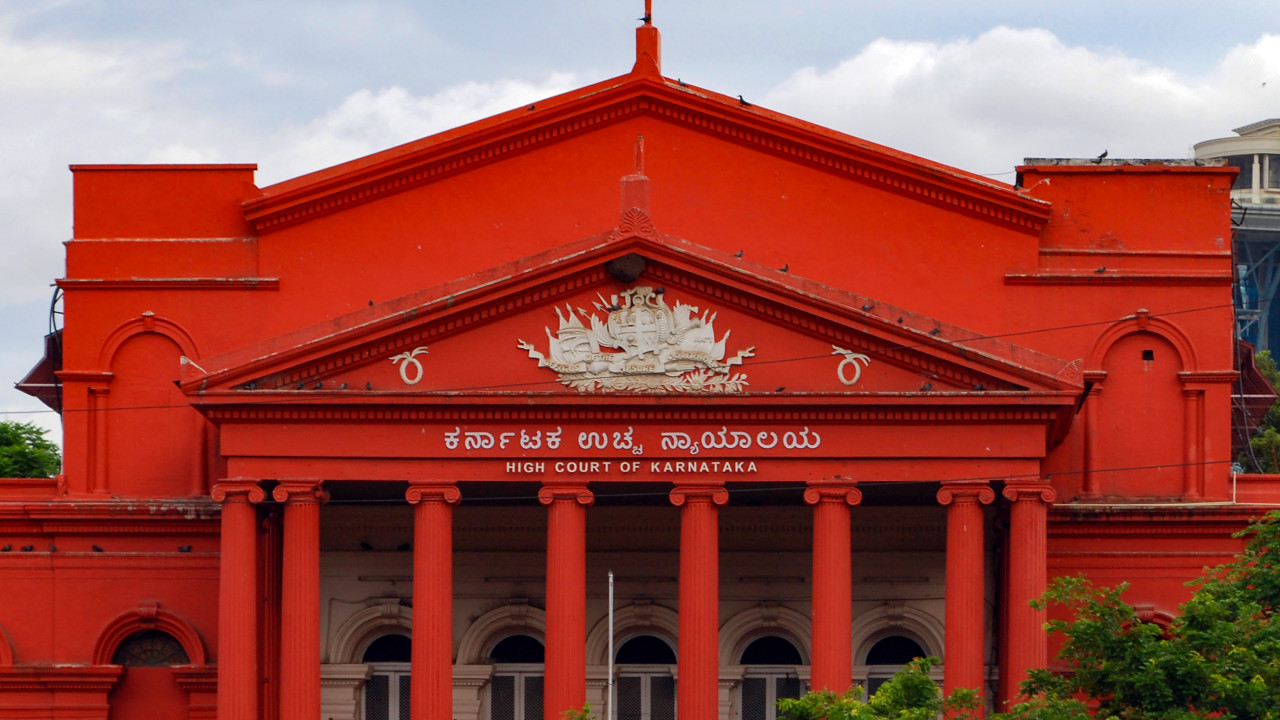
High court
Bombay High Court Dismisses Plea Against Maharashtra Government's Decision to Rename City
The Bombay High Court has dismissed a plea against the Maharashtra government's decision to rename the city of Aurangabad to Sambhajinagar. Background: The issue began when the Maharashtra government announced its decision to rename the city, citing historical reasons. However, some residents and organizations opposed the decision, arguing that it was unnecessary and would cause confusion. Parties: The petitioners were residents and organizations opposed to the renaming, while the respondents were the Maharashtra government and the municipal corporation. Legal issues: The main issue was whether the government had the power to rename the city without consulting residents and stakeholders. Court observations: The court observed that the government had the power to rename the city, and that the decision was not arbitrary or unreasonable. Significance: The dismissal of the plea has significant implications for the city and its residents, as it will lead to changes in the city's name and identity. The court's decision has been welcomed by the Maharashtra government, which has stated that it will proceed with the renaming process. However, the petitioners have expressed disappointment and are considering appealing the decision. The case highlights the complexities and challenges involved in renaming a city, and the need for a balanced approach that takes into account the interests of all stakeholders. The Bombay High Court's decision will have significant implications for the city and its residents, and it will be important to monitor the developments in the case closely. The outcome of the case will have far-reaching consequences for the city's identity and culture, and it will be interesting to see how the renaming process is implemented. The case is a reminder of the importance of considering the interests of all stakeholders in decision-making processes, and the need for transparency and consultation. As the case progresses, it is likely to generate significant media attention and public interest, and the court's decision will be widely reported and analyzed. The Bombay High Court's decision will be a significant milestone in the ongoing debate about the renaming of cities, and it will have far-reaching consequences for urban planning and development in India. The court's approach to the issue will be crucial in determining the future of urban planning and development in the country. In recent years, there have been several cases related to the renaming of cities, and the Bombay High Court's decision will be an important addition to this body of case law. The case is a reminder of the complexities and challenges involved in urban planning and development, and the need for a nuanced and balanced approach that takes into account the interests of all stakeholders. As the case progresses, it is likely to generate significant interest and debate in the urban planning and development sector, and the court's decision will be widely reported and analyzed. The outcome of the case will have significant implications for urban planning and development in India, and it will be important to monitor the developments in the case closely.